The post What Is The Minimum Video Length On YouTube For Ads / Monetization? appeared first on James McAllister Online.
]]>It’s common to wonder if very short videos can even monetized at all – especially when the video would be even shorter than the ads that may appear before it!
So, what is the minimum video length? In this article I’ll be answering that question, along with whether or not you should publish the video as a YouTube Short instead.
What Is The Minimum Required Video Length For Ads To Play On YouTube?
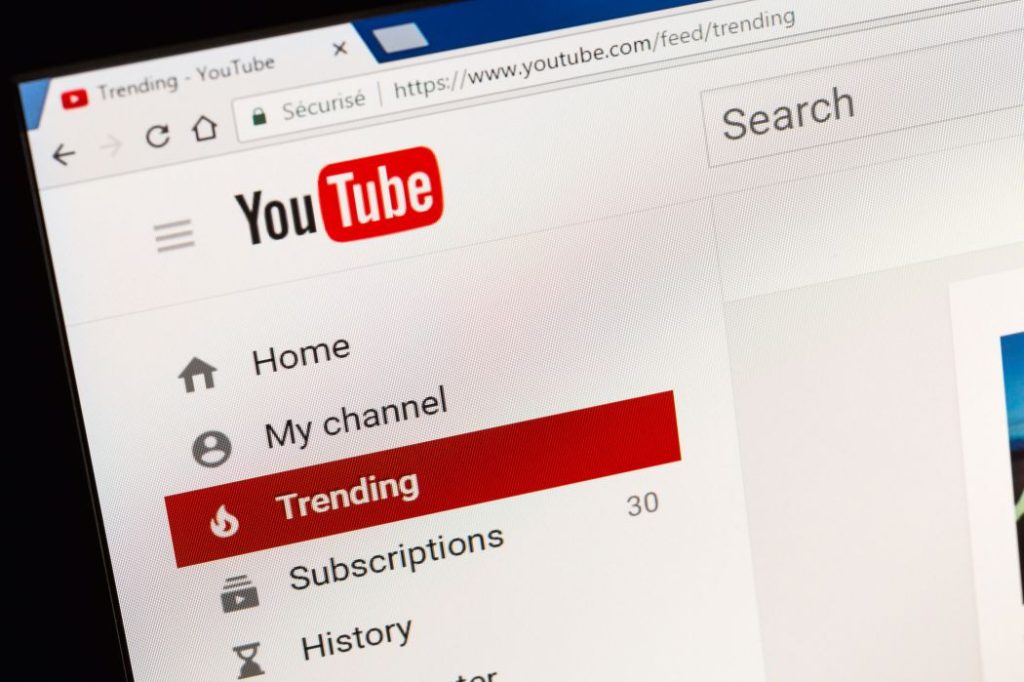
Currently, there is no required length for a video to be eligible for monetization on YouTube.
This means that even videos under 30 seconds can have pre-roll ads run before the video starts, despite the fact that they can be longer than the content of the video itself!
That being said, shorter videos do tend to earn less, which I’ll explain in just a moment.
However, as long as the video is published as a normal YouTube video, and you’ve hit the requirements necessary to be able to monetize your videos, then even your shortest videos are eligible to run ads.
Why YouTube Creators Opt For Longer Videos
Just because you can create very short videos however, does not always mean that you should.
This is because the less time your audience spends watching a video, the less money it tends to make. And with very short videos under a few minutes long, your opportunities for extended watch time aren’t really there.
When you think about it, earnings on a video comes down to a simple equation:
Viewers X earnings per ad, X number of ads watched.
The problem with short videos is that you will only be able to show the pre-roll ads, and perhaps an ad that plays after the video ends.
You will not be able to run any ads in the middle of the video, since the video will be too short to support these.
That being said, video length is not the only factor that determines how much you’ll earn. While it does factor into the ‘number of ads watched’ part of the equation earlier, there is another big factor that’s just as important – earnings per ad.
Generally speaking, the more money your audience has – and the more they’re willing to part with it, the more advertisers will pay to reach that audience.
So, if your viewers are based in the United States, you’ll earn a lot more than if they’re based in India, for example, since disposable income in the U.S. is a lot higher.
Likewise, if your videos are about say, finance, you’ll earn a lot more than videos about gaming or art.
Since earnings can vary so wildly, it’s a good idea to avoid comparing yourself to others when it comes to YouTube revenue!
Be Careful Not To Publish As A Short!
If your goal is to make money from ads, it’s very important that you publish the video as a regular YouTube video, and not as a YouTube Short.
YouTube Shorts offer a number of key benefits – namely, the fact that YouTube will push it out to at least a small audience.
However, when it comes to monetization, YouTube Shorts are handled a lot differently.
The fact of the matter is, in its current state it is very difficult to make meaningful income from YouTube Shorts – even on videos with hundreds of thousands of views.
So, even if your video is under 60 seconds (and is eligible to be published as a Short), carefully consider whether or not it’s actually the right option for you.
Again, if you want to run ads on it, than probably not!
Conclusion
Currently, there is no minimum video length required in order to monetize your videos on YouTube.
So, you are free to publish videos as short as you’d like, and still have them be eligible for monetization. However, they must be published as normal YouTube videos, and not YouTube Shorts.
I hope that this article has answered all of your questions. If you have any other questions about monetizing on YouTube – or when you should publish videos as a Short, please ask them below and I’ll be happy to help.
Wishing you the best,
– James McAllister
The post What Is The Minimum Video Length On YouTube For Ads / Monetization? appeared first on James McAllister Online.
]]>The post Why Less May Be More With Google Adsense appeared first on James McAllister Online.
]]>First, you need to understand how Google’s Adsense bot works. The bot scans the page the ad is displayed on, scanning for keywords on the page. The keywords the bot finds will affect what ads are displayed on your page.
Every unit you place on your page is competing to display advertisements. Google wants to make more money, so they’re going to display the ad with the highest cost per click. Great, right? Maybe not.
After all, what if those ads aren’t being clicked?
Google gives priority to the advertisements that are placed higher up on the page. So if your top ads aren’t being clicked, all the ads below that are being clicked are earning less money. Depending on your niche and the amount of content on the page, the difference in your advertisements CPC may be drastic.
I experienced this firsthand a while ago. My Adsense earnings almost doubled overnight, simply due to moving an advertisement around. My highest clicked ad was in the middle of the page, while my lowest clicked one was at the top. I removed the pointless ad at the top of the page, and suddenly, the ad in the middle starting earning a ton more per click.
If you remove the useless advertisements that aren’t being clicked, your ads that are being clicked will start making more money, which is exactly why less units may make you more money.
If you have units that aren’t performing well, try removing them. The key to maximizing your profit with Google Adsense is to experiment, so by removing ads that aren’t making much money, you may actually end up making more. Try it out!
The post Why Less May Be More With Google Adsense appeared first on James McAllister Online.
]]>